

Greater Chicago’s Leading Knee Orthopedic Providers
Trusted Knee Surgeons in Chicagoland
Your knees are an important part of being mobile, stable, and independent. When pain, injury, or arthritis limits what you can do, the right care makes all the difference. At Midland & Riverside Orthopedics, our knee specialists provide advanced, compassionate care for patients across the Greater Chicago Area, from conservative therapies to complex surgical solutions.
With us, getting answers is simple. With same- or next-day appointments, you’ll never have to wait long for relief. Our orthopedic knee doctors combine specialized expertise with a patient-first approach. Dr. Maday and Dr. Ho are leaders in sports injury care and innovative cartilage restoration techniques, while Dr. Seymour is trusted for his extensive experience in arthritis management and joint preservation.
Call or schedule an appointment today to meet with a top knee specialist at one of our convenient Chicago-area locations.
Knee Orthopedic Conditions We Treat
Knee problems can develop suddenly from injuries or gradually from arthritis, overuse, or degeneration. Our team diagnoses and treats a full spectrum of conditions, including:
Ligament Injuries
- ACL (anterior cruciate ligament) tears
- PCL (posterior cruciate ligament) tears
- MCL and LCL sprains/tears
- Chronic knee instability
Cartilage & Meniscus Disorders
- Meniscal tears (acute and degenerative)
- Chondromalacia patella (cartilage softening)
- Articular cartilage injuries
- Osteochondritis dissecans
- Work-related injuries
Arthritis & Degenerative Conditions
- Osteoarthritis of the knee
- Rheumatoid arthritis
- Post-traumatic arthritis
Sports & Overuse Injuries
- Patellar tendinitis (“jumper’s knee”)
- Nerve entrapments
- Bursitis
- Repetitive stress injuries
Fractures & Trauma
- Patella fractures
- Distal femur and proximal tibia fractures
- Complex injuries requiring reconstruction
If knee pain is interfering with your quality of life, our knee specialists are here to help you explore your treatment options. You’ll get hospital-level expertise in a welcoming, small-practice setting, where personalized care, accessibility, and clear communication are the standard.
Call us today or schedule an appointment online to connect with one of our knee specialists.
How We Diagnose Knee Pain
Knee pain, swelling, or instability can disrupt your daily routine, whether it develops gradually from arthritis or comes suddenly after a sports injury. At MROrthopedics, our doctors are skilled in diagnosing complex problems involving the knees.
We know how important it is to get clear answers quickly. That’s why our diagnostic process is both thorough and efficient, with most patients leaving their first visit with a diagnosis and treatment plan in hand. Here’s what you can expect at your initial evaluation with us:
- Detailed Medical History: We’ll review your symptoms, past injuries, activity level, and how pain impacts your daily life.
- Targeted Physical Examination: Your provider will assess swelling, range of motion, stability, strength, and pain response.
- On-Site Imaging: Most of our clinics offer X-rays during your visit. If needed, we’ll arrange MRI, ultrasound, or CT scans for a closer look.
- Functional Testing: We evaluate your gait, balance, and joint function to see how symptoms appear during movement.
Your evaluation is the first step toward the right solution. Set up your evaluation today to start getting expert care with our team of specialists.
Knee Procedures Performed by Our Doctors
Knee pain or injury can make everyday activities like walking, climbing stairs, or playing sports feel like a challenge. At MROrthopedics, our knee procedures are designed to relieve pain, restore function, and stabilize or repair the joint. From conservative therapies to advanced surgical solutions, we tailor treatment to each patient’s unique needs. The following are non-surgical knee procedures we perform:
Steroid Injections
- Steroid injections are a nonsurgical option to ease pain and inflammation in the knee caused by issues such as arthritis, tendon irritation, or overuse injuries.
- Delivered safely in the clinic, these injections help calm swelling, relieve discomfort, and make movement easier as part of your recovery plan
Bracing & Splinting
- Bracing and splinting help protect the knee, reduce strain, and encourage healing.
- They are often recommended for sprains, ligament injuries, arthritis, or post-surgical recovery.
- Our specialists ensure every fit is comfortable, so you can move with greater ease while your knee heals
Casting
- Casting stabilizes the knee and lower leg during recovery.
- Casts are often used after fractures, complex sprains, or surgical procedures to keep the joint properly aligned and protected.
- Our providers carefully apply and adjust each cast to ensure the right fit.
Physical Therapy
- At certain locations, patients have access to integrated physical therapy to support recovery after injury or surgery.
- Therapy sessions focus on rebuilding strength, improving flexibility, and restoring natural movement patterns.
PRP Injections
- Platelet-rich plasma (PRP) therapy is a regenerative option that harnesses the healing potential of your own blood.
- Injections are made in the injured area to help address stubborn conditions such as Achilles tendon problems or plantar heel pain.
- This process encourages tissue repair, decreases discomfort, and supports stronger, longer-lasting recovery.
Viscosupplementation (Gel Injections)
- Viscosupplementation, or gel injections, can provide relief for knee arthritis by improving lubrication within the joint.
- This treatment helps reduce pain, enhance mobility, and cushion movement when natural joint fluid has worn down.
When non-surgical treatments are not enough, we offer a full range of advanced surgical procedures to address complex knee conditions. With a focus on precision, safety, and recovery, we help patients regain mobility and return to the activities that matter most. We provide care with the following surgical procedures:
Our goal is to hold off on surgery when possible, so if you are experiencing knee pain or limited mobility, reach out so we can get you started with early treatment that may prevent surgery down the road.
Schedule an appointment with an MRO joint specialist today.
Knee Arthroscopy
- Knee arthroscopy is a minimally invasive procedure used to diagnose and treat conditions such as meniscus tears, cartilage damage, and ligament injuries.
- Through small incisions, surgeons use specialized instruments to repair or remove damaged tissue, reducing pain, improving function, and allowing for a quicker, more comfortable recovery
ACL & PCL Reconstruction
- ACL and PCL reconstruction restores stability and function to knees injured through sports, accidents, or repetitive stress.
- Using grafts to replace torn ligaments, our surgeons rebuild the joint’s strength and mobility.
- These procedures help prevent further damage, reduce pain, and support a safe return to activity and athletics.
Meniscus Repair or Removal (Meniscectomy)
- Meniscus repair or meniscectomy addresses cartilage injuries that cause pain, swelling, or joint locking in the knee.
- When possible, surgeons preserve and repair the meniscus to protect long-term joint health.
- If removal is necessary, damaged tissue is carefully trimmed to relieve symptoms and restore smoother, more comfortable movement.
Cartilage Restoration Procedures
- Cartilage restoration procedures aim to repair or replace damaged knee cartilage, reducing pain and slowing the progression of arthritis.
- Techniques may include cartilage grafting, regeneration, or transplantation, depending on the injury.
- These procedures help preserve the natural joint, improve function, and support long-term mobility for active patients.
Partial or Total Knee Replacement
- Partial and total knee replacement procedures relieve severe arthritis or joint damage by replacing worn cartilage and bone with artificial implants.
- A partial replacement targets only the damaged area, while a total replacement restores the entire joint.
- Both are designed to reduce pain, improve mobility, and support long-term function.
Fracture Repair & Fixation
- Fracture repair and fixation stabilizes broken bones in the knee using advanced techniques such as plates, screws, or rods.
- This approach ensures proper alignment and healing while protecting the joint from further damage.
- By restoring strength and stability, patients can recover mobility and safely return to daily activities.
Shoulder Replacement (total or partial)
- Total or partial shoulder replacement is a surgical option for severe arthritis or joint damage.
- In a total replacement, both the ball and socket are replaced; in a partial, usually only the ball (humeral head) is replaced.
- Replacement surgery may be needed when all other treatments are no longer effective.
Realignment Procedures (Osteotomy)
- Realignment procedures, or osteotomies, are performed to shift weight away from damaged areas of the knee.
- By reshaping or repositioning the bone, these surgeries reduce pain, improve alignment, and delay the need for joint replacement, helping active patients preserve mobility and extend the life of their natural knee joint
Meet the Knee Specialists at MROrthopedics
At MROrthopedics, you’ll find personalized, accessible knee care with the expertise of Dr. Maday, Dr. Ho, and Dr. Seymour, leaders in sports injury treatment, cartilage restoration, and arthritis management. From your first evaluation through treatment, our knee specialists will provide expert guidance to restore mobility, relieve pain, and help you feel your best.
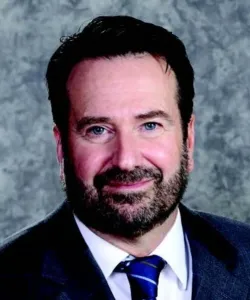
Dr. Scott A. Seymour
M.D.
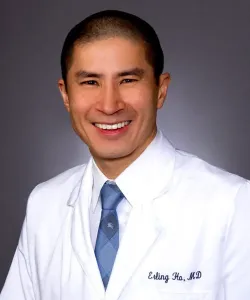
Dr. Erling Ho
M.D.

Dr. Michael Maday
M.D.
See Why Chicago-Area Patients Trust Our Knee Specialists
Why Choose MROrthopedics for Knee Care?
We understand how frustrating living with knee pain or limited mobility can be, which is why we’re here to help you get back to feeling like your best self. Our providers will always put your needs first. Same- or next-day appointments are available, so you don’t have to wait to get the care you need.
With multiple Chicago-area locations serving both the city and suburbs, trusted care is always close to home. Let us help you take the next step toward comfort, mobility, and confidence. Call or schedule online today to start your recovery with expert knee care at MROrthopedics.
Greater Chicago’s Leading Shoulder & Elbow Doctors For 40+ Years






Insurance We Accept Accept Accept





What’s the difference between an orthopedic knee specialist and a general doctor?
An orthopedic knee specialist has advanced training in diagnosing and treating conditions affecting the knee’s bones, ligaments, cartilage, and soft tissues. They provide both non-surgical and surgical treatments, including complex procedures like ligament reconstruction or joint replacement. A general doctor can evaluate symptoms but typically refers patients to a specialist for advanced or long-term knee care.
When should I see a knee specialist instead of waiting it out?
You should see a knee specialist if pain, swelling, or stiffness lasts more than a few days, worsens with activity, or limits your ability to walk, bend, or bear weight. Sudden injuries, locking, instability, or persistent discomfort may indicate a more serious issue that requires expert evaluation and treatment to prevent further damage.
How do I know if I need knee surgery?
You may need knee surgery if non-surgical treatments like physical therapy, bracing, or injections don’t help relieve pain or restore your full mobility. Other signs include severe arthritis, cartilage loss, ligament tears, or joint instability that limits daily activity. A knee specialist can evaluate your condition and determine whether surgery is the best option for long-term relief and mobility.
What are the best ways to prevent knee injuries?
To help prevent knee injuries, focus on building strength in the muscles around the joint, maintaining flexibility through stretching, and practicing proper technique during sports or exercise. Wearing supportive footwear, using appropriate protective gear, and avoiding sudden increases in activity intensity can also help. Additionally, maintaining a healthy weight prevents added stress on the knees.